Source Bowknot Alloy Hair Clip for Daily Use, Events, and Gifts
Compare 30 listings for the Bowknot Alloy Hair Clip suitable for daily use, events, and gifts. Buyers can evaluate options based on material, style, and packaging from manufacturers in China.
Key considerations
Products List


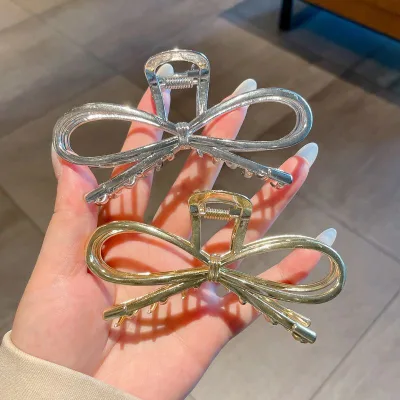
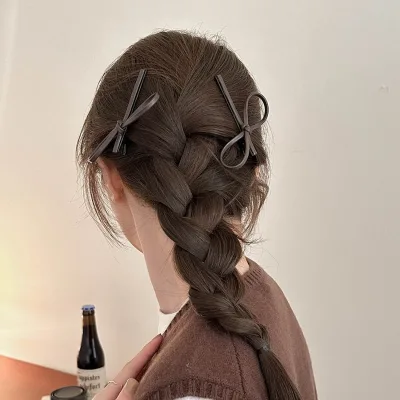
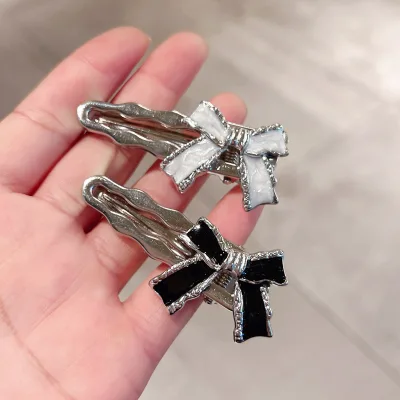
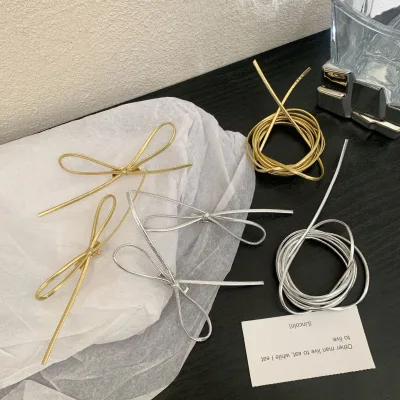
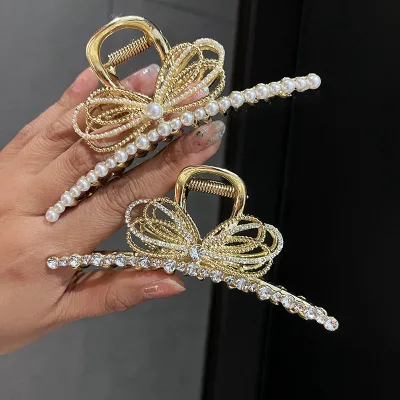


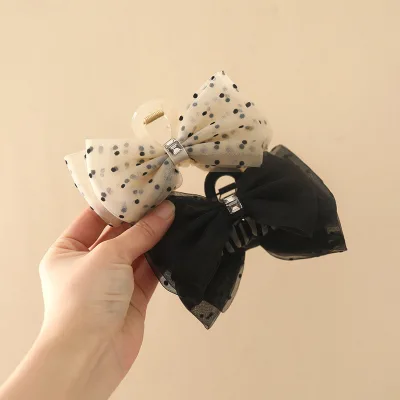
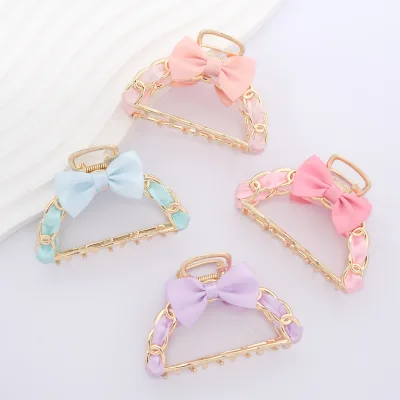
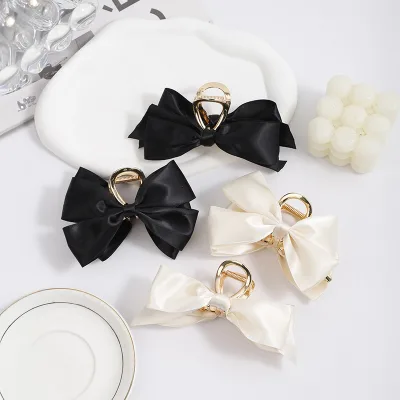


Comprehensive Sourcing Guide
Strategic Sourcing Guide for Bowknot Alloy Hair Clips
Understanding Product Specifications and Material Composition
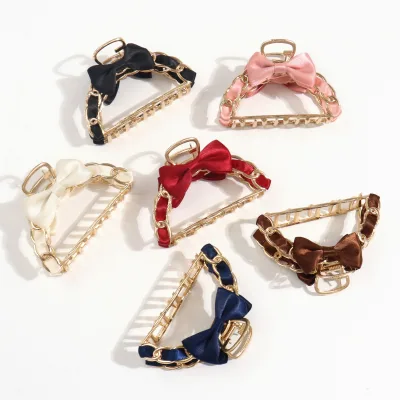
When sourcing bowknot alloy hair clips, the primary objective is to align the physical attributes of the product with the intended market segment. Based on available industry data, the core material for this specific category is consistently identified as metal, specifically alloy. This material choice is critical for durability and the ability to hold complex shapes, such as the bowknot design, without losing structural integrity. The alloy composition allows for a finish that can be plated to achieve the popular gold coloration observed in current market listings, which appeals to a fashion-forward demographic.
The design classification for these items often falls under "Fashion" and "Fresh and Sweet" styles, targeting a youthful audience. The specific shape is defined as a bowknot, which serves as the primary visual identifier. While some listings mention "Hair Claws," the specific query for "Bowknot Alloy Hair Clip" suggests a focus on smaller, decorative fasteners rather than large claw mechanisms. However, the manufacturing process for these clips frequently involves handwork, indicating a level of craftsmanship that may vary between batches. Buyers must verify the exact dimensions, as observed specifications in the market range from small, lightweight units (e.g., 12g) to slightly larger variants (e.g., 35g or 16.512.56.5cm for related accessories). The model numbers, such as AVA101800 or HO-01682, serve as unique identifiers for these variations, but the core material remains the alloy base.
Compliance, Certification, and Safety Standards
In the realm of B2B procurement for fashion accessories, compliance is a non-negotiable factor, particularly when products are intended for daily use by ladies and girls. The supplied data indicates that products are often described as "suit for women" or "suit for youth," which necessitates adherence to safety standards regarding heavy metals and chemical composition. While specific certification bodies like CE, ISO 9001, BSCI, or REACH are mentioned in background contexts, buyers must treat these as verification targets rather than guaranteed attributes of every listed product.
Procurement teams should explicitly request documentation proving that the alloy used meets the chemical safety requirements of the destination market. For instance, if the product is exported globally, it must comply with the specific regulations of the importing region regarding nickel release and lead content. The "standard" field in product listings sometimes refers to weight (e.g., 200g, 35g) or visual conformity ("as pic"), which is insufficient for regulatory compliance. Buyers must distinguish between internal quality standards and external legal certifications. It is essential to verify that the "100 Brand New" condition claim is backed by a quality assurance process that ensures no residual manufacturing defects or hazardous substances are present. The origin of the product, often cited as Yiwu, Zhejiang, or generally China, requires a thorough review of the factory's export history and their ability to provide valid test reports for the specific alloy batches being shipped.
Cost Drivers and Pricing Dynamics
The pricing structure for bowknot alloy hair clips is influenced by several variable factors, including material costs, labor intensity, and order volume. The observed price range in the market spans from $0.12 to $5.50 USD, a significant variance that reflects differences in design complexity, plating quality, and packaging. The lower end of the spectrum likely corresponds to simple, mass-produced units with basic gold plating and minimal handwork. Conversely, the higher price points may reflect more intricate designs, superior alloy quality, or specialized packaging such as OPP boxes rather than simple OPP bags.
The Minimum Order Quantity (MOQ) is another critical cost driver, with observed ranges extending from 6 to 1000 units. Suppliers with lower MOQs may charge a premium per unit due to the setup costs associated with smaller production runs. Conversely, larger orders can leverage economies of scale to reduce the unit cost. Buyers should also consider the "Sample Time" of 7-10 days, which impacts the overall timeline and potential rush fees. The customization availability is a key factor; while customization is offered, it often incurs additional costs for mold creation or design adjustments. The "Factory: Yes" attribute suggests that direct sourcing from manufacturers is possible, which can eliminate middleman markups, but buyers must ensure the factory has the capacity to handle their specific volume requirements without compromising on the "Handwork" treatment technology that defines the product's aesthetic.
Typical Applications and Market Segmentation
Bowknot alloy hair clips are versatile accessories designed for a wide array of occasions, primarily categorized as "Daily Use." The "Season" attribute indicates these products are suitable for the "Whole Year," making them a staple item rather than a seasonal novelty. The target demographic is explicitly defined as "Lady & Girls" and "Youth," suggesting a broad appeal across age groups. The "Style Classification" of "Fresh and Sweet" aligns with current fashion trends that favor playful, feminine designs.
The applications extend beyond mere utility; these clips serve as fashion statements. The "Popular Element Classification" of "Shape/Pattern" highlights that the bowknot design is the primary selling point. While the core product is a hair accessory, the data also mentions related tactical or camouflage items, which indicates that suppliers often diversify their portfolios. However, for the specific bowknot alloy clip, the application is strictly aesthetic and personal care. The packaging, typically an "OPP Bag with Card" or "OPP Box," is designed for retail display, allowing the product to be hung or placed on shelves for impulse buying. The "Export Markets: Global" status confirms that these items are suitable for international distribution, provided they meet the specific cultural and regulatory preferences of each target region.
Supplier Evaluation and Factory Verification
Selecting the right supplier requires a rigorous evaluation process that goes beyond the surface-level product descriptions. The presence of "Factory: Yes" in the data suggests that many suppliers are direct manufacturers, which can offer better pricing and control over the production process. However, buyers must verify the actual location of the factory. While "Yiwu China" and "Yiwu Zhejiang" are common origins, the specific facility must be capable of maintaining the "Handwork" standards required for high-quality bowknot designs.
Buyers should request a detailed supplier profile that includes their production capacity, quality control protocols, and history of export compliance. The ability to offer "OEM: Accept" is a positive indicator of flexibility, allowing buyers to customize the product with their own branding or specific design modifications. However, the "Sample Time" of 7-10 days must be factored into the lead time calculation. It is also crucial to verify the "prod_packing" details; whether the product comes in a simple OPP bag or a more premium OPP Box can significantly impact the perceived value and retail price. Suppliers should be evaluated on their ability to provide consistent quality across batches, especially given the "Handwork" nature of the production, which can introduce variability.
Quality Control and Long-Term Procurement Considerations
Ensuring consistent quality is paramount in the long-term procurement of bowknot alloy hair clips. The "Condition: 100 Brand New" claim must be validated through a robust quality control (QC) process. This includes inspecting the alloy for structural integrity, checking the plating for uniformity and resistance to tarnishing, and ensuring the bowknot shape retains its form after repeated use. The "Standard" field in listings often refers to weight or visual appearance, but buyers should establish their own QC criteria based on the specific requirements of their end-users.
For long-term success, buyers should consider the scalability of the supplier. The "MOQ" range of 6-1000 units offers flexibility, but as demand grows, the supplier must be able to increase output without sacrificing quality. The "Shipping" options (by Sea, by Air, by Express) provide logistical flexibility, but buyers must weigh the cost and speed against their inventory needs. Additionally, the "Customization: Available" feature should be leveraged to differentiate the product in a competitive market. However, customization introduces complexity in the supply chain, requiring clear communication of design specifications and rigorous approval processes for samples. Finally, buyers should maintain a relationship with the supplier that allows for continuous improvement, ensuring that the product evolves with changing fashion trends while maintaining the core "Fashion" and "Fresh and Sweet" identity that defines the Bowknot Alloy Hair Clip category.
Comparative Analysis of Product Variants
To assist in decision-making, the following table summarizes the key variations observed in the market for bowknot alloy hair clips and related accessories. This comparison highlights the differences in materials, specifications, and packaging that buyers should consider when selecting a supplier.
| Feature | Variant A (Alloy Hair Claw) | Variant B (Simple Fabric) | Variant C (Tactical/Camo) | Variant D (Feather Accessory) |
|---|---|---|---|---|
| Primary Material | Metal (Alloy) | Fabric | Mixed (Tactical) | Feather |
| Style Classification | Fashion, Fresh & Sweet | Simple | Multicam, Army, Tactical | Shape/Pattern |
| Target Audience | Lady & Girls, Youth | Youth | Casual, Combat | General |
| Typical Weight | 12g - 35g | 200g (Reference) | Variable | 16.512.56.5cm (Size) |
| Packaging | OPP Bag with Card | OPP | OPP Box | OPP Bag |
| Origin | China (Yiwu) | Yiwu Zhejiang | Yiwu China | Yiwu |
| Key Attribute | Bowknot Shape | Handwork | Breathable | OEM Accept |
This table illustrates that while the core keyword focuses on alloy hair clips, the market includes diverse product lines. Buyers must ensure they are sourcing the specific alloy variant that matches their brand identity, rather than inadvertently ordering a fabric or tactical item. The "Handwork" and "Fashion" attributes are most relevant to the alloy variant, distinguishing it from mass-produced or utilitarian alternatives. By carefully analyzing these specifications, buyers can make informed decisions that align with their strategic sourcing goals.
FAQs
What material is used for bowknot alloy hair clips?
The primary material is metal, specifically alloy, which ensures durability for the bowknot shape. Some listings also mention fabric or feather variants, but the core alloy product uses metal for structural integrity and gold plating.
Can I customize the design of these hair clips?
Yes, customization is available for buyers seeking unique designs or branding. Suppliers typically require a sample time of 7-10 days to produce customized units before proceeding with the main production run.
What is the typical price range for these accessories?
The observed price range in the market spans from 0.12 to 5.5 USD per unit. This variance depends on factors like design complexity, plating quality, and the specific packaging chosen, such as OPP bags or boxes.
Which packaging options are standard for these clips?
Standard packaging includes OPP bags with cards or simple OPP bags. Some variants may come in OPP boxes, and the specific packing method often depends on the model number and supplier capabilities.
How long does it take to receive a sample?
The sample time is typically 7-10 days for most suppliers. This duration allows for the handwork treatment required to achieve the fresh and sweet style associated with the bowknot design.
What is the minimum order quantity for these clips?
The minimum order quantity ranges from 6 to 1000 units depending on the supplier. Lower MOQs may incur higher per-unit costs, while larger orders can leverage economies of scale for better pricing.
Where are these products typically manufactured?
Products originate from China, with specific mentions of Yiwu, Zhejiang. This region is a known hub for fashion accessories, ensuring a steady supply of metal and alloy hair clips for global export markets.